-

Natural Arches of Kentucky
This pamphlet provides general information about where natural arches occur in Kentucky, the definition of a natural arch, and how natural arches form. The taxonomy of natural arches is provided along with how the span, clearance, and width of arches are measured.
The Kentucky Arch Trail is a compilation of 40 selected natural arches accessible by trail or along roads across the state for the public to enjoy. Instructions and directions for the Arch Trail are included in the pamphlet. An interactive list of arches can be found at https://kgs.uky.edu/kygeode/services/arches/list.htm
More general information about Kentucky's natural arches can ...Read More
-
Health on the Rocks: Geohealth in Kentucky
Geohealth bridges the earth and life sciences, revealing how Kentucky’s unique geology directly shapes public health risks, clinical outcomes, and opportunities for innovation. This factsheet highlights the critical intersections between geologic processes and human health across the Commonwealth—from landslides, floods, and tornadoes to radon, mine drainage, and microbial contamination. It outlines how natural and anthropogenic forces influence respiratory illness, cancer, trauma, and infectious disease, and how bedrock and weather extremes define local exposure pathways. Beyond risk, it also showcases Kentucky’s leadership in developing geoscience-informed health solutions: bioremediation, microbial drug discovery, and geologic-health monitoring networks that strengthen preparedness and resilience. Understanding ...Read More
-
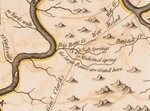
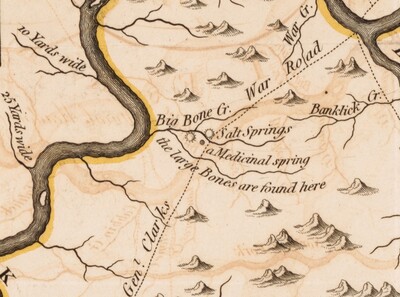
Field Guide to Big Bone Lick, Kentucky: Birthplace of American Vertebrate Paleontology
Big Bone Lick is the birthplace of vertebrate paleontology in the Western Hemisphere and has a long and celebrated history in the exploration of the American colonial frontier and of the early United States. Notable European scientists of the 18th century such as Buffon, Cuvier, and Hunter discussed the fossils found there. Prominent Americans of the time, such as Boone, Washington, Franklin, and Jefferson are also part of the site’s history. It is the type locality for several extinct late Pleistocene megafaunal mammals, most notably the iconic American Mastodon, who were attracted to the area by salt licks dictated by ...Read More
-
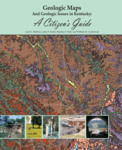
Geologic Maps and Geologic Issues in Kentucky: A Citizen's Guide
Citizens in all walks of life benefit from the information on geologic maps. Geologic maps are used to:
- Identify areas prone to natural hazards, such as landslides, erosion, sinkholes, and flooding
- Select locations that are suitable for tunnels, bridges, dams, and quarries
- Identify suitable sites for safe construction of homes and commercial buildings
- Select safe places for building septic systems and landfills to minimize the risk of polluting soils and groundwater
- Help farmers, landowners, and government officials locate groundwater resources and protect water quality
- Help citizens understand geologic features (such as faults, mineral deposits, and impact structures) in the ...Read More
-
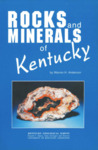
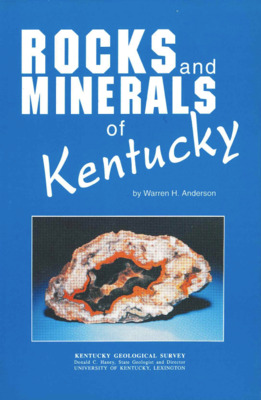
Rocks and Minerals of Kentucky
This publication gives information about rocks and minerals of Kentucky and is organized to (1) help in your identification and study of Kentucky rocks and minerals, (2) explain how rocks and minerals are formed and why they are important to the Commonwealth, and (3) be a simplified reference.
-
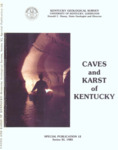
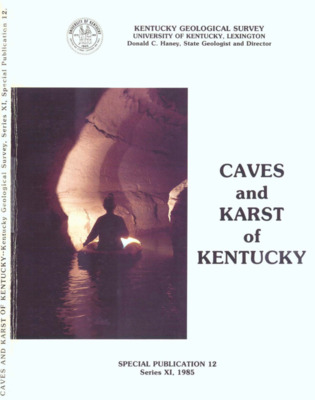
Caves and Karst of Kentucky
Published in cooperation with the National Speleological Society. Includes an overview of Kentucky geology, karst, cave development, list of caves including Mammoth Cave and Carter Caves, historical caves, archaeology, and cave life of Kentucky.
-
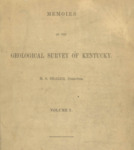
Memoirs of the Geological Survey of Kentucky
Volume 1.
Part 1: On the Antiquity of the Caverns and Cavern Life of the Ohio Valley, N.S. Shaler
Part 2: The American Bisons, Living and Extinct, J.A. Allen
Part 3: On the Fossil Brachiopods of the Ohio Valley, N.S. Shaler
Part 4: On the Prehistoric Remains of Kentucky, Lucien Carr and N.S. Shaler